

What Makes a Venue Truly Customer-Focused?
Walk into ten different bars or hotels, and you’ll quickly notice: not all venues are created equal. Some feel chaotic, rushed, and purely transactional. Others make you feel like you belong the moment you step in. That second kind, the one that makes you stay longer, spend more, and come back again, is what we call a customer-focused venue.
In today’s hospitality scene, where guests have endless choices, being customer-focused isn’t optional. It’s survival. And while platforms like Quikin.vip make technology a big part of the shift, the heart of it is still culture and mindset.
So, what separates venues that say they care about customers from those that actually prove it? Let’s unpack it.
1. Service That Feels Human, Not Scripted
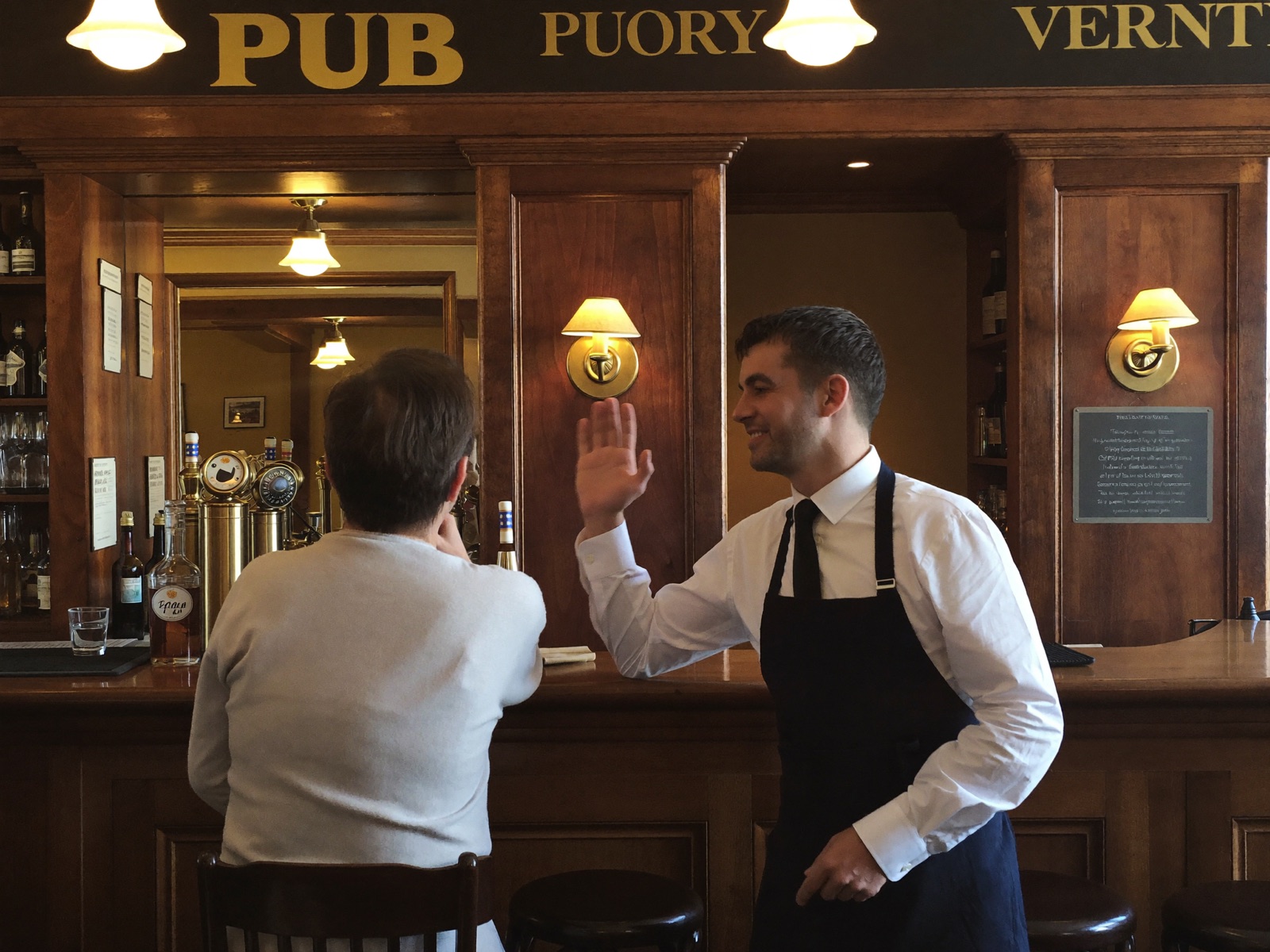
We’ve all been served by staff who clearly don’t want to be there. They rush through, avoid eye contact, or stick to stiff scripts. Compare that to the server who remembers your favourite drink, or the bartender who cracks a small joke while mixing your order.
That’s the difference between transactional service and relational service.
Transactional service: “Here’s your drink. Next.”
Relational service: “Good to see you back! Same as last time?”
Guests don’t expect perfection, but they crave recognition. A customer-focused venue trains staff to connect, not just serve.
2. Frictionless Experiences Win Loyalty
Think about the biggest frustrations of a night out:
Long queues at the bar
Splitting bills with cash or cards
Confusing menus or slow table service
These small frictions pile up and turn excitement into irritation. Customer-centric hospitality removes those bottlenecks. Some examples:
Mobile ordering for bars lets guests order and pay instantly.
Digital ordering in pubs eliminates the “elbow war” at the counter.
QR code ordering systems make menus clear and payments easy.
When a venue values your time, you notice, and you reward them with loyalty.
3. Listening and Adapting in Real Time
The best venues don’t assume they know what customers want, they ask. They create loops for feedback, whether it’s a quick table survey, a suggestion card, or even monitoring what guests post on social media.
But here’s the twist: listening is only half the work. Action matters more.
If people complain about slow service, staff scheduling should adjust.
If guests request healthier food or craft cocktails, menus should evolve.
If visitors want quieter spaces, layout changes may be needed.
That responsiveness is what builds hospitality customer trust.
4. The Tech + Human Balance
Here’s a common fear: “If venues use too much tech, won’t it kill the personal touch?”
The truth? Smart technology actually unlocks better human interactions. Imagine this:
Instead of spending half their shift swiping cards, staff spend time chatting with guests.
Instead of fumbling with paper menus, customers browse a digital menu with photos and recommendations.
Instead of chasing a waiter for the bill, guests close their tab in two taps.
Tech isn’t replacing staff, it’s empowering them. The venues that thrive are the ones that know where tech ends and hospitality begins.
5. Creating a Guest-First Culture
You can’t fake culture. If management only cares about sales, staff will too. But when leadership sets a clear expectation, “guests come first, always”, it changes everything.
Signs of a guest-first culture:
Staff are encouraged to resolve issues without “checking with the manager.”
Mistakes are fixed quickly and generously, not grudgingly.
Regulars are recognised, rewarded, and treated like part of the family.
This culture is what makes customer service in nightlife something truly memorable. Guests don’t just visit; they feel part of the venue’s story.
6. The Ripple Effect: Why It All Matters
Why invest in being customer-focused? Because the return is massive:
More repeat visits. Guests go back where they feel valued.
Higher spend per visit. When service is smooth, people order more.
Word-of-mouth marketing. Happy guests don’t just return, they bring friends.
Stronger reputation. In an industry where reviews make or break a business, trust is currency.
Being customer-focused isn’t just good hospitality, it’s good business.
Final Thought
At its core, a customer-focused venue isn’t about shiny apps or complicated strategies. It’s about empathy. About putting yourself in your guest’s shoes and asking: Would I enjoy this experience?
The venues that answer “yes” consistently are the ones that build not just nights out, but lasting relationships. And in a competitive market, that’s the edge every venue needs.